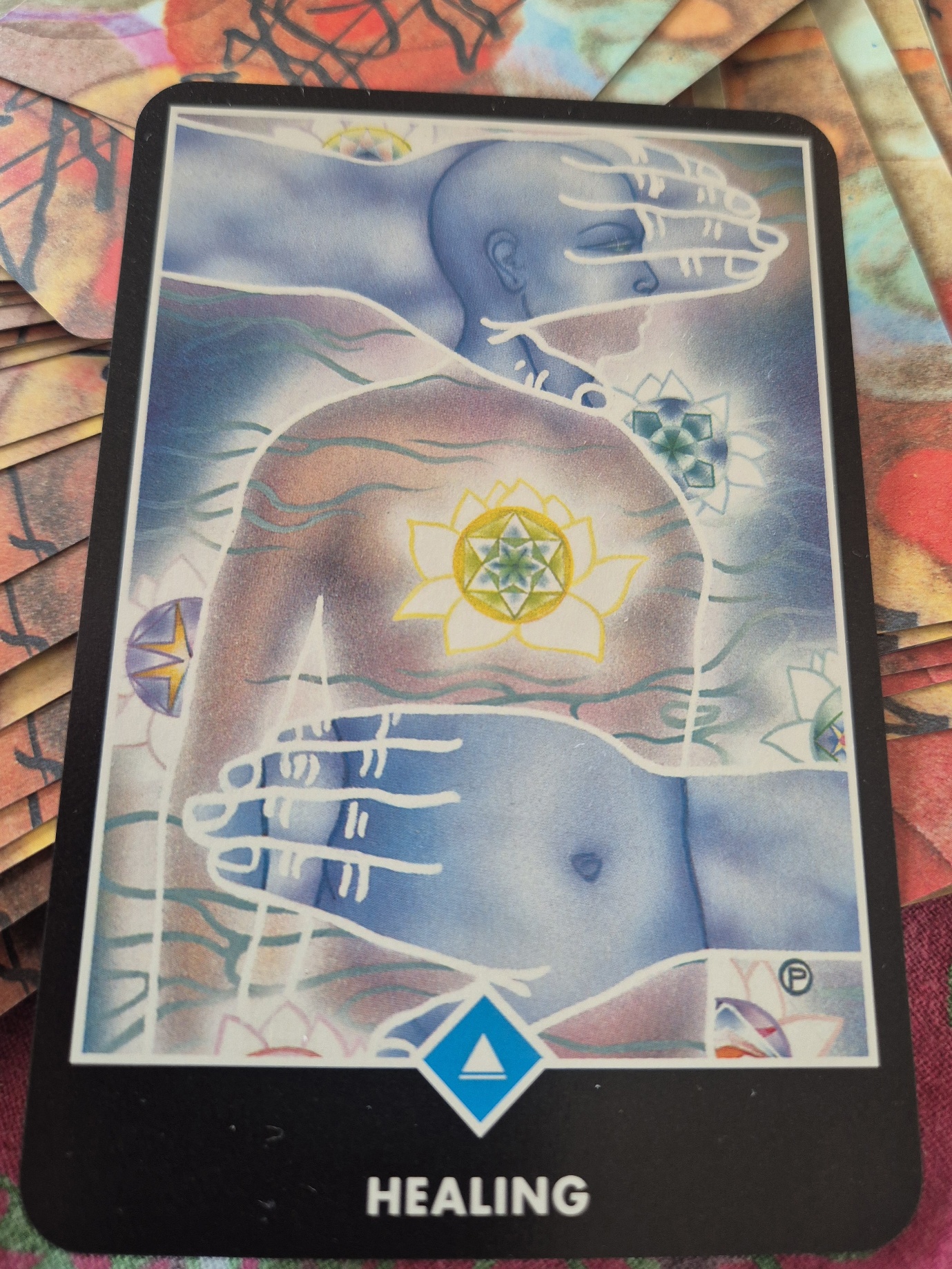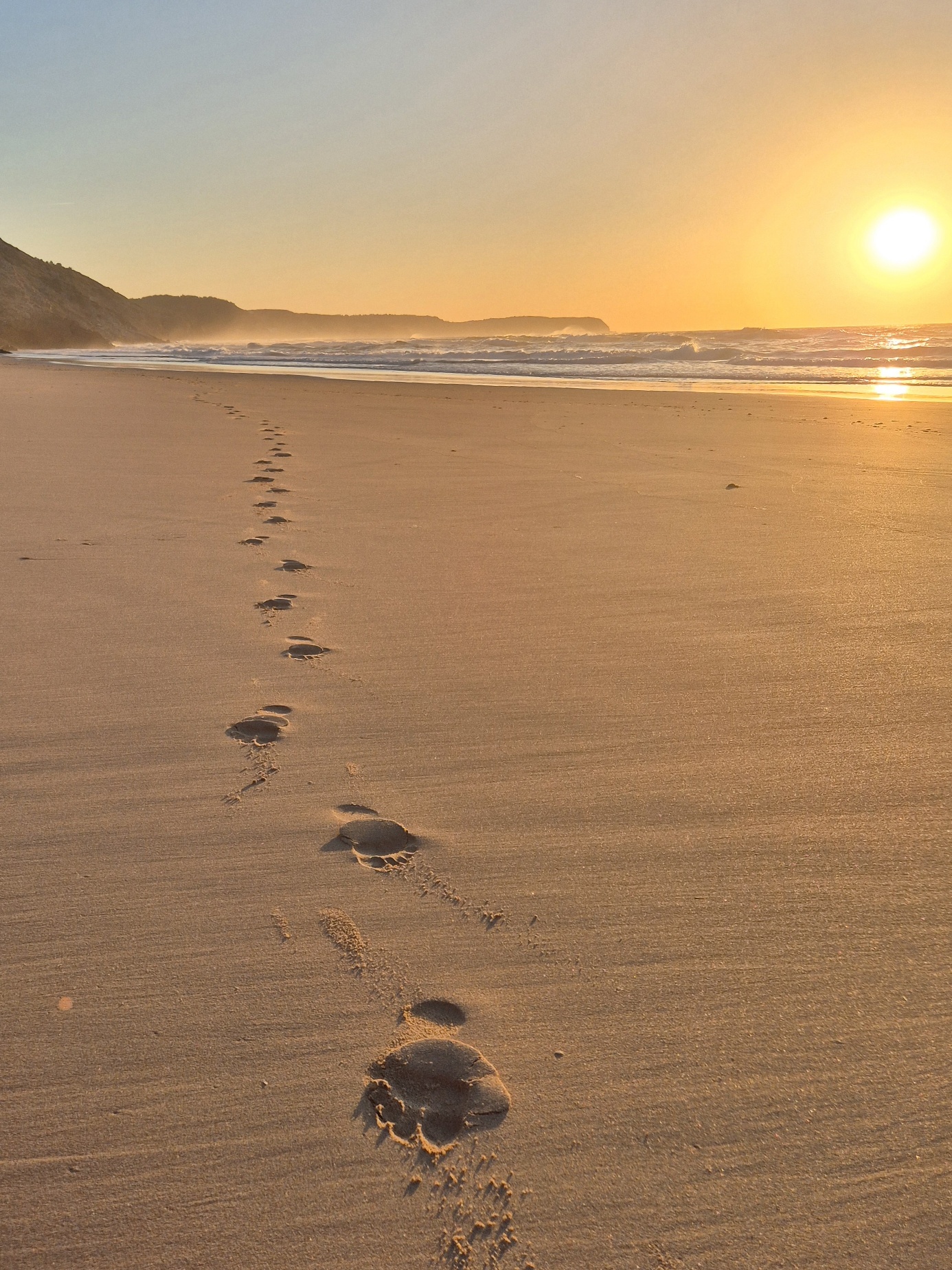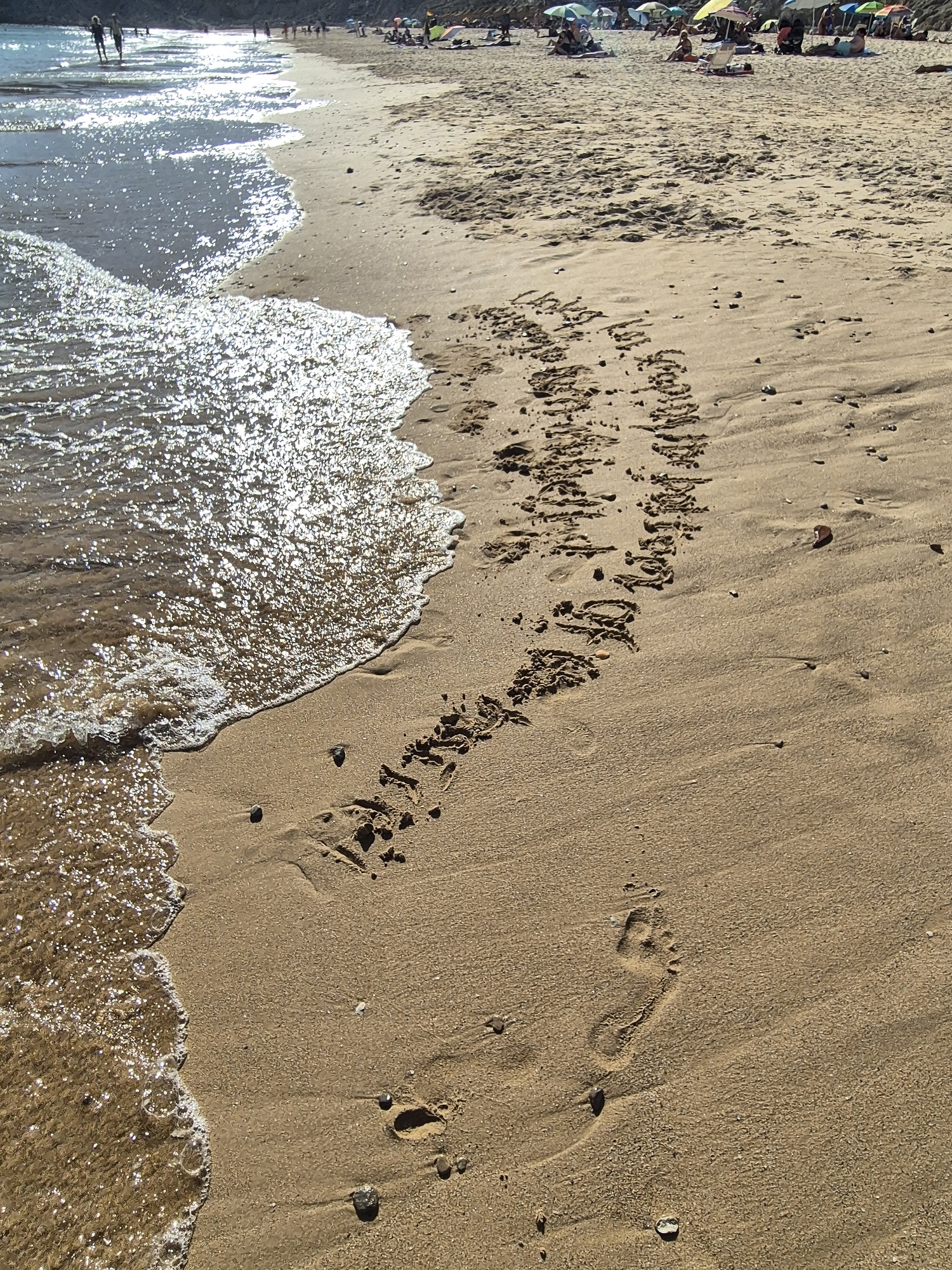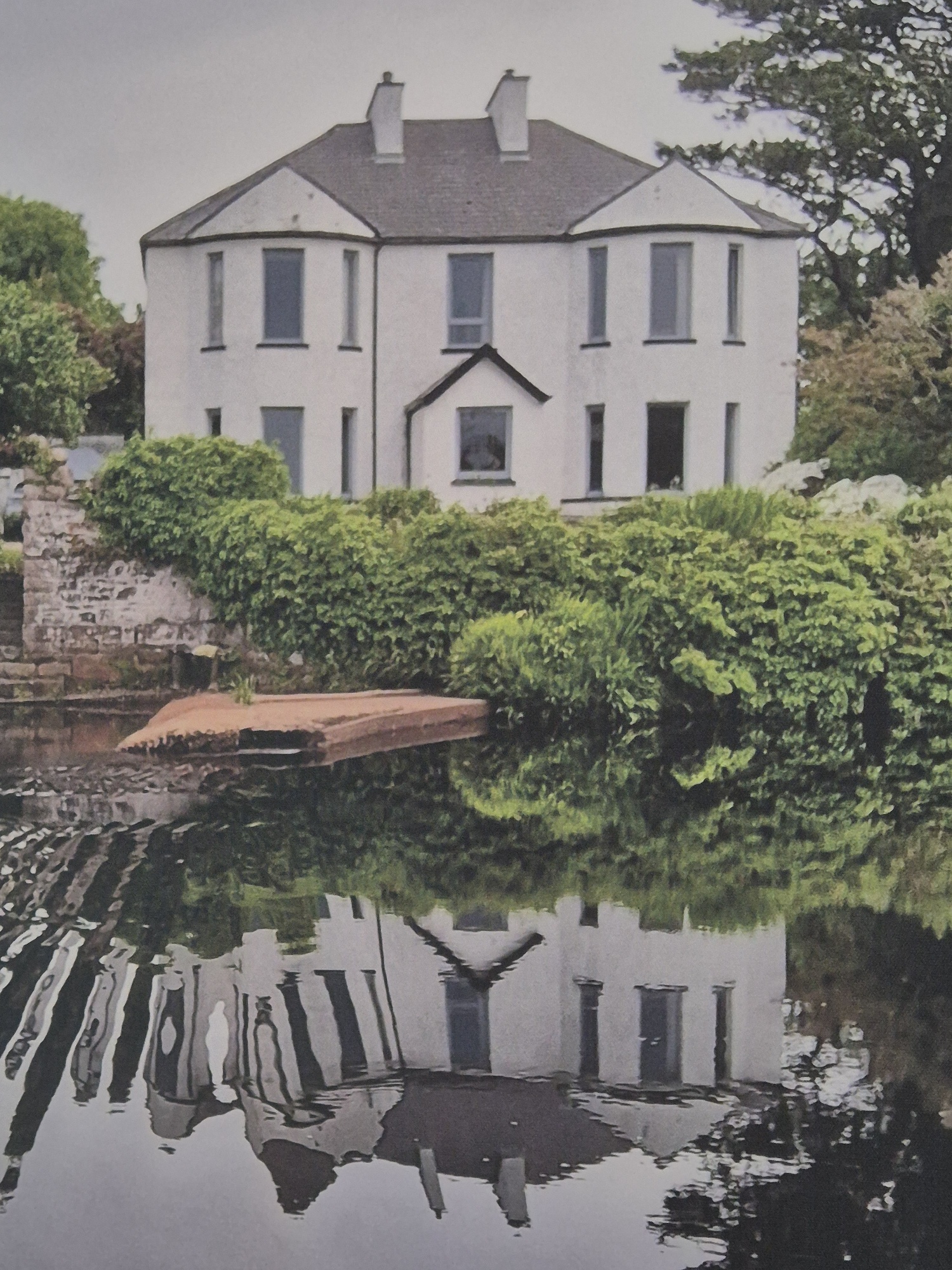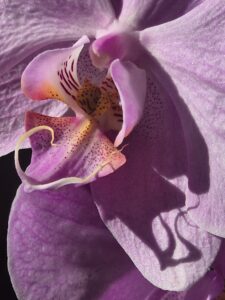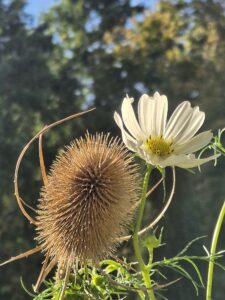
Our imagination loves to be filled with an object, or to grasp at any thing that is too big for its capacity. We are flung into a pleasing astonishment at such unbounded views. We feel a delightful stillness and amazement in the soul at the apprehension of them.
Joseph Addison, Essays (1712)
Instructions for living a life.
Pay attention.
Be astonished.
Tell about it.
Mary Oliver
Things cannot be awful and awesome at one and the same time.
Richard Rohr
As long as we’re in the frame, we cannot see the full picture.
Heard at a recent Twelve Step meeting
High summer temperatures are conducive to slowing down and contemplating.
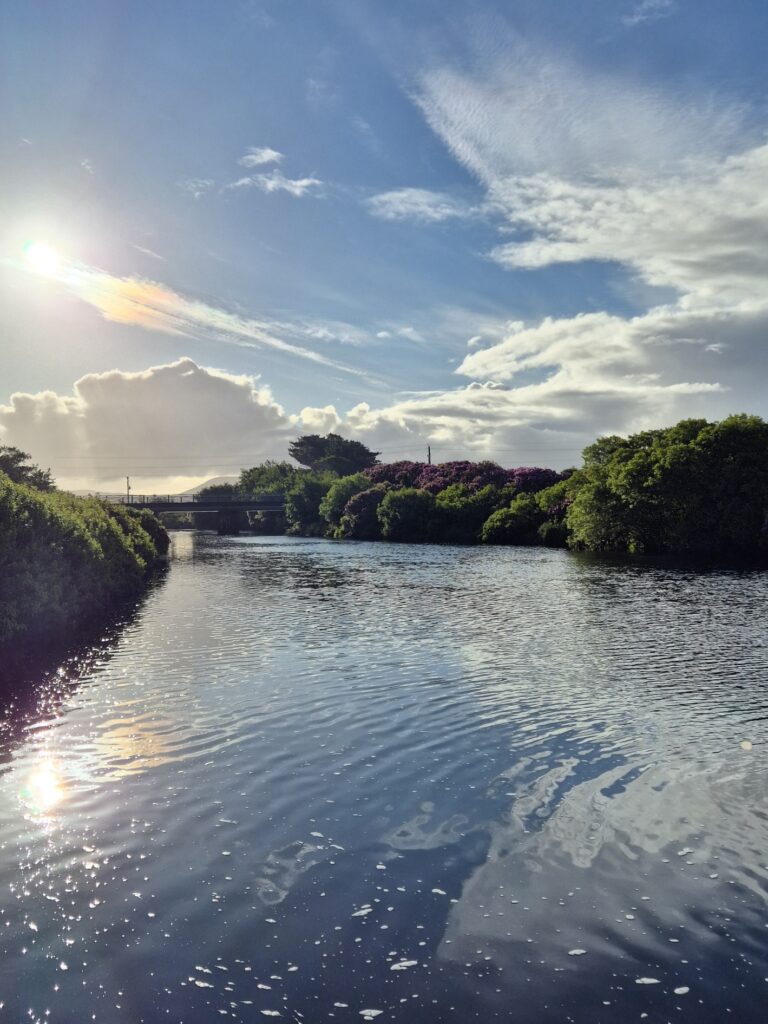
Sitting here in the sizzling heat of the European “Omega Dome” heatwave, my mind has been exploring what happened during my recent trip to the West of Ireland. It didn’t take long for the answer to bubble up to the surface. Yes, it is that enduring sense of awe that is reinforced in me whenever I spend any length of time in the wild empty spaces of the northwestern Atlantic seaboard of my native country, Ireland.
Because many of us rarely experience awe or do so only sporadically, we remain unaware of its beneficial effects on our state of heart and mind. When most of us have the experience of feeling down, for example, we usually look for distraction through busyness or light relief through comedy or entertainment. These are not only less effective than awe; they may, in fact, be counterproductive in that our stress levels are ultimately increased by the end of the day.
Cultivating awe, on the other hand, can still the mind and trigger a great mental shift, propelling our neural activity beyond what had become its predictable comfort zone. We can use this shift to improve our health. In the vernacular of the PQ (Positive Intelligence) Mental Fitness modality, awe enables us to shift more easily from (fear-driven) Saboteur to (love-inspired) Sage mode.
What exactly is going on in our brain when we cultivate a sense of awe?
Our brain was initially designed, not to make us happy, but to ensure our survival. To this end, it is constantly forming predictions of what will happen next and how best to react. It uses its experiences to generate mental simulations that guide our attention, perception, and behavior.
Awe-inspiring experiences, with their sense of amazement, grandeur, and wonder, may confound these predictions, creating a quantum shift in the mind that causes the brain to change tack and check again, to reassess its assumptions, and pay more attention to what is actually going on, in the here and now.
When we are in a state of awe, our mind, therefore, tones down it’s predictive activity. We begin to just look around and enjoy impressions, exploring and gathering information as any discerning anthropologist would.
Besides boosting some mental faculties such as memory for details, this can improve creative thinking as we pay more attention to the specific nuances of a situation, rather than repolling our instincts about whether the situation feels safe, genuine, in line with our values, etc., or not.
In the absence of predicting, evaluating, and judging, we gain access to the so-called Sage Powers of “Explore”, “Empathy” (Compassion), “Innovate”, “Navigate”, and “Activate”.These exist in the context of the Sage Perspective which states that “every situation contains gifts and opportunities.”
This capacity to drop our assumptions, to step out of interpretation mode, and see the world and its challenges afresh might also explain why awe contributes to greater creativity.
Studies by Alice Chirico and colleagues at the Catholic University of the Sacred Heart in Milan, Italy, published in 2018, have shown that the participants who went on a virtual reality tour of a beautiful, pristine forest scored higher on tests of original thinking than those who viewed more mundane videos of poultry wandering around their grass enclosure. The former cohort proved much more creative than the latter in subsequent practical assignments.
Choosing West Mayo as the location for our recent Men’s Emotional Sobriety retreat turned out, in retrospect, to be an excellent move.
Having designed and attended many such gatherings over the years, it was clear to me that the participants might be arriving in a rather frazzled state, akin to having been ejected from a supersonic fighter jet or catapulted from the proverbial hamster wheel.
As we know, the hamster wheel looks like a ladder only from the inside. This is the illusion that keeps our consumer society alive and well. The illusion is something we generally only discover after dismounting – a rare occurrence – or when centrifugal forces get the better of us.
Many people – many men – live their lives in such a metaphorical wheel, frantically attempting to work through our self-inflicted “To Do” lists while chasing our vision of “life, liberty, and the pursuit of happiness”. The dynamic has been fortified greatly in recent years through the introduction of technology which would have appeared illusory only a generation ago.
The technology introduced in my own lifetime – with the promise of dealing with the mundane such that we would all be reveling in a life of leisure – has only increased the pace of life from “busy” to “frantically hectic” and has ushered in the age of “weapons of mass distraction”.
Returning to the retreat participants, my hunch turned out to be confirmed. Having travelled long distances from European locations to this West of Ireland sanctuary, my participants were first given the traditional Irish “cup of tea” before embarking on the first of many walks in the wide-open landscape. This one took us down river to the point where it cojoined with another – flowing from the north – and together then emptied into the vast Atlantic Ocean.
Among my guests, the deceleration was immediately palpable. Breathing became deeper, conversations slowed to a hush at times, as we took in the sounds of the wind, the sheep, the donkeys, and the many, often invisible, birds.
Over the course of the first 48 hours, a sense of awe gripped each member of the group. The daily schedule allowed for swimming at sunrise in the river (weather-permitting) before communal meditation at 7.30, and – after our morning session –long walks and outings each afternoon between lunch and dinner, and another walk after our evening session, often in time to watch the sun go down over Blacksod Bay.
We had included in our seven-day schedule one full day trip, intending (again weather-permitting) to climb one of Ireland’s most famous holy mountains, Croagh Patrick, overlooking Clew Bay.
As luck would have it, we picked the right day, as it turned out to be the only one all week when the summit was free of clouds.
A session of traditional Irish music in a local pub on another evening, the lighting and tending of fires at the house all day every day, a visiting otter who hunted breakfast for her young right under our very eyes, and our own storytelling and regaling – all these contributed to the sense of awe that grew stronger as the week unfolded.
This showed itself in the increasing openness, vulnerability, compassion, and spirit of exploration we brought to bear on the work during our sessions. What does it mean to be a man in the 21st century? What does Emotional Sobriety look like in our lives? What issues stand in our way in cultivating peace of mind? What wounds still call out for attention and how can we best attend to them?
In the contexture of mutual compassion, fearlessness, and discovery, embedded as it was in the ever-present, inescapable sense of awe we all enjoyed, these sessions developed a quality such that we were able to dive deeper than we had thought possible, easing our journey through the caves we had all long feared to enter, and back again.
We discovered the truth of Joseph Campbell’s prediction that it is precisely those caves that we fear to enter which “hold the treasures that we seek”.
Back in the Rhineland almost two weeks now, the awe hasn’t worn off. Everything appears as if through a new lens. This is yet another unexpected gift from this wonderful adventure with a bunch of men eager to grow in response-ability with each new passing day.
I am so grateful to us all for our courage, our humour, our dedication to the cause of collective healing, and our indomitable trust in the mysterious process.