`Suffering is only letting go of things that don’t work anymore. On the other side of suffering is belief.´
Dan Coyhis, Mohican Writer & CEO Wellbriety Inc.
`Pain is an integral part of the human experience; suffering is voluntary.´
Patrick Little, SoberOasis
In my own mind, pain and suffering were often confused. As a language buff, it has always been clear to me that, where there are two different words, there are usually two distinct meanings. Nonetheless, it was only while working through my own morass of troubles and strife, which included both pain and suffering, that clarity evolved on this issue.
The widespread habit of confusing beliefs and feelings complicates matters further. My attention was drawn to this important distinction during a therapy session in my late twenties, a therapy upon which I had embarked because, as I put it to the therapist; `I feel like a cork bobbing along down a mountain stream and my wish is to (re)gain the liberty of deciding the course I would like to take.´
In response to a question addressed to me in this particular session my reply was; `I feel neglected´.
`Oh really,’ he answered, `could you please show me where in your body you are currently feeling this?´
Of course I was stumped. The good man went on to explain that true feelings could always be located in the body; for example, fear in the knotted stomach, joy in the rising warmth in the upper chest, anger in the sternum, and so on. He continued with his clarification that my statement reflected not a feeling but rather a belief, i.e. `I believe I am being neglected´, under which lay perhaps a feeling; that of sadness, anger, or perhaps fear.
By confusing beliefs and feelings, we succeed in remaining in the dark about our true feelings. Why we should do so is perhaps a point of conjecture, worth investigating in a separate essay. Maybe it was dangerous at some point earlier in our lives to show, or even feel, our feelings so we continue to prefer today to remain ambiguous, to ourselves and, as a result, to others. In any case, establishing clarity around these issues has helped me get to know my self better. My inner dialogue is less confused and my interactions with others benefit, in the endeavour to be more loving, kind and in greater harmony.
Mad, sad, glad, and scared are, according to some contemporary leading psychologists, the primary emotions. According to them, all other emotions stem from these four. Glad, produces and is the result of love; mad, hurt; sad, shame; and scared, confusion.
Once we have unravelled beliefs and feelings, we can move on to the topic of pain and suffering. Pain, in its physical form, is the most palpable. When we twist an ankle or cut our finger, there is pain. It is the physiological response of energetic forces and/or the agitation of exposed nerves which generates this pain. It can be helpful to embrace the pain and apply soothing ointments, or loving attention – as in the child who is soothed by the parent blowing on or kissing the effected area -, or indeed, to switch the focus from the pain to other dynamics within the field of experience at the time.
Furthermore, as Emmet Fox points out: `If you touch a red hot stove, you will burn your finger. This will hurt you, but it is not punishment, only a benign and reformative consequence, for after one or two such experiences in childhood, you learn to keep your fingers away from the hot iron.´ Pain can, therefore, be viewed as the touchstone of growth.
Emotional pain also exists. Anybody who has lost a loved one or experienced unrequited love will know this. This pain, however, in nothing compared to the ensuing suffering we may generate, by means of resentment, anger, fear, etc. It is when I take up a stance of resistance of `what is´ (which inevitably will include pain) that I generate suffering. This stance is enervating and emotionally draining over time, a fact that does not dissuade most of us from maintaining, defending and justifying it, sometimes over decades. We nurse our wounds, wallow in self-pity, demand that the Universe apologise to us for the pain to which we have been subjected, etc. In this tortured state of mind we go through each day, blaming others for our predicament. As the old saying goes; `resentment is like drinking poison and hoping someone else will die from it.´
I needed my attention to be drawn to this obsessive, tortured, endless stream of thoughts, which is accurately called `stinking thinking´. Until I could step back and view this horror movie in my mind, I assumed that this was the normal way to live. I was the victim of my thinking, I believed. Others, more wise and already on their way to recovering from insanity, helped me see that I was suffering from a perception disorder. I was not seeing the world as it was, I was seeing it as I was. And I was full of anger, shame, guilt, and other varieties of lower order emotions.
So the boil needed to be lanced. I had to get rid of these emotions to make space for courage, gratitude, joy and love. This is no easy matter. It requires recognising that it is me who is responsible for my well-being, for generating my thinking, and embracing the truth that I have a choice as to whether I resist life or not.
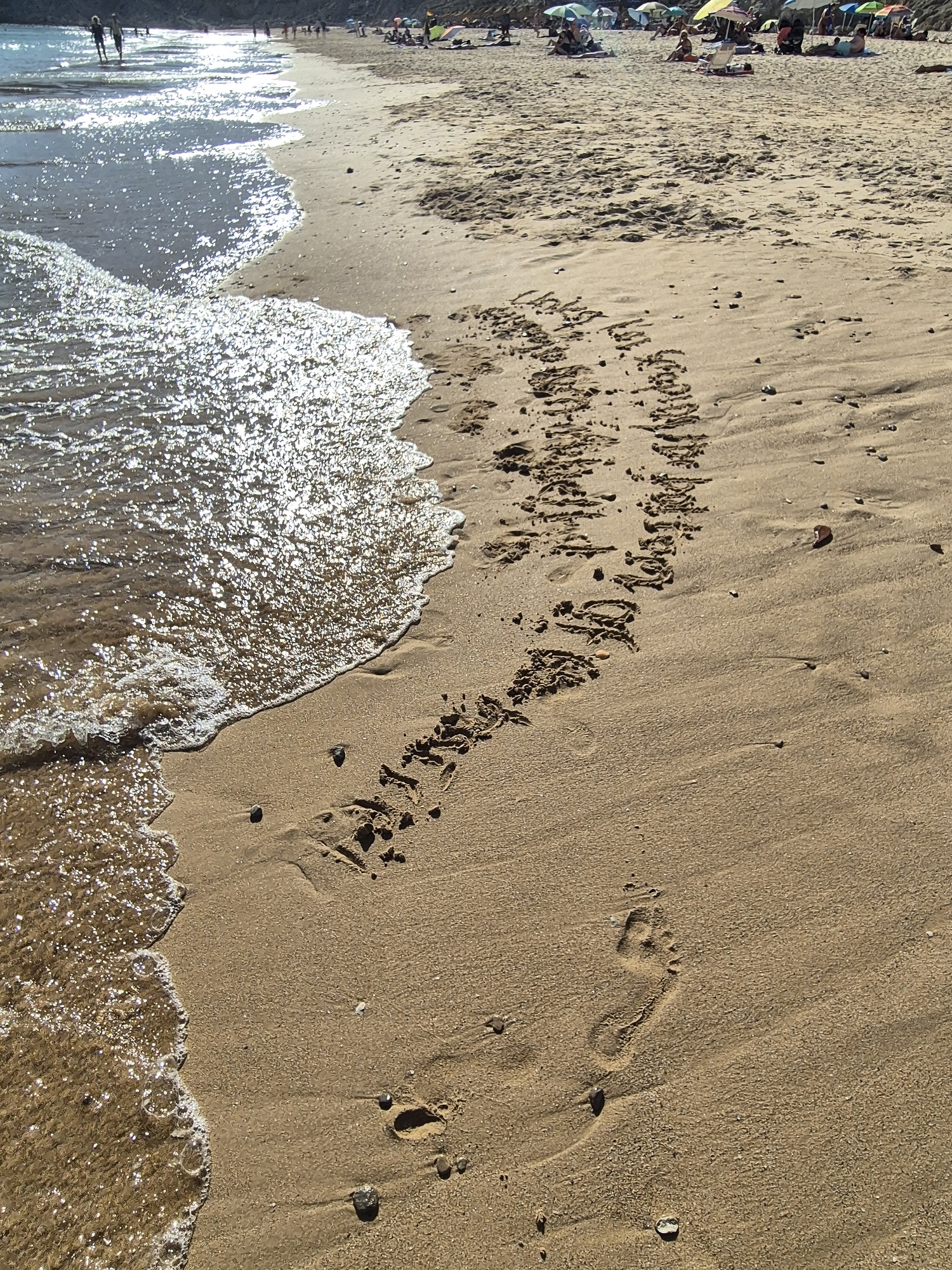
Today, I sometimes take people down to the great river Rhein, which flows through the countryside behind my home. I suggest to them that they command the river to flow in the opposite direction. `Are you crazy?’ is the usual response. `No. This is the way you are living, and you have the power to choose to maintain the crazy stance or to relinquish it and go with the flow´ is my standard response.
So how do I change my mind. I need to get out of it. `Getting out of my mind´ by means of `partying´ used to be one of my core competencies. Now I get out of my mind by means of meditation. My day begins with a prayer, asking my Creator `to direct my thinking, especially that it be divorced from self-pity, dishonest, and self-seeking motives.´ Since I have been doing this consistently on a daily basis, my mind has been undergoing transformation. It is not of my doing. Grace is involved. A dangerous trap is to attempt to remedy stinking thinking with even more thinking, which is akin to trying to put out a fire by pouring on more oil. It is, rather, the act of surrendering my thinking to a dimension or frequency higher than that on which my ego operates, sitting in silence in the willingness to be changed.
As the mind empties, of resentments from the past and fears of the future, I get glimpses of the present moment. In the present moment, I realise that I have all the resources I need to handle whatever transpires as my journey unfolds, including the inevitable pain.
This is called peace of mind.