

The eagle has the longest lifespan of its species. It can live up to 70 years. But to reach this age, the eagle must make a very difficult decision. In or around its 40th year, the eagle’s once strong, flexible talons can no longer grab its prey with dexterity. Its long and sharp beak has become bent and blunt. Its ageing, heavy wings have, due to their thick feathers, become sticky, making it difficult to fly with ease and agility.
Then, the eagle is left with only two options: Die or go through a painful process of radical transformation. This process lasts for about five months. The process requires the eagle to fly to a mountain top and sit on its nest. There the eagle knocks its beak against a rock until it falls out.
Then the eagle will wait for the new beak to grow back, after which it will pluck out its talons. When new talons have grown, the eagle starts removing its heaviest wing feathers. Once its wings have been replenished, the eagle takes its famous flight of rebirth and lives for 30 more years…
Native American Parable
The unknown is what it is. And to be frightened of it is what sends everybody scurrying around chasing dreams, illusions, wars, peace, love, hate, all that. Accept that it’s unknown, and it’s plain sailing.
John Lennon
The question for us is how our experiences have affected us and what we need to do to learn from our experiences, to work through those lessons, integrate them into our being, turn them over, and move on.
Anne Wilson Schaef, Meditations for Women Who Do Too Much
Sometimes, to get from where we are to where we need to go, we must be willing to enter, and spend some time in the transition zone, – the zone in between or `Zwischenzone´ in German.
For those embarking on the journey of recovery from addiction, it is the jumping-off point, the required clarity and courage often brought about by means of desperation. We know that we have painted ourselves into a corner or wandered down a blind alley. We know what no longer works and accept this new revelation of reality. But what lies ahead?
It may take us some time to get the first traces of clarity around this issue. Until then, we are called upon to abstain from the addictive substance or process, and to trust the process of recovery while establishing a rudimentary level of mental and emotional fitness, all the while suspended in the discomfort of the transition zone.
One of the most challenging aspects of recovery is the concept of letting go of what is old and familiar, yet no longer works, while being willing to stand with our empty hands outstretched as we wait for them to be filled with the new.
Knowing this place well, I liken it to the trapeze artist way up in the big top who has let go of the first swing prior to several somersaults and subsequently being caught by her teammate suspended upside down from a second swing on the opposite side. That mid-air experience can be very scary, especially when we cannot yet even see our planned point of contact.
This suspended animation may apply to feelings. We may have been full of hurt and anger since the earliest days of childhood. In some ways, these feelings have protected us from the deeper, underlying pain of abandonment. As the lesser of two evils, they served an important purpose and may now have become comfortably familiar.
They have protected us from the process of grieving our deepest wounds. There is, however, no short cut through the topography of grieving, no easier softer way. It needs to be traversed with conscious awareness, step by step, the path leading through the portal of true recovery. With empathy for self, others, and circumstances we can get there.
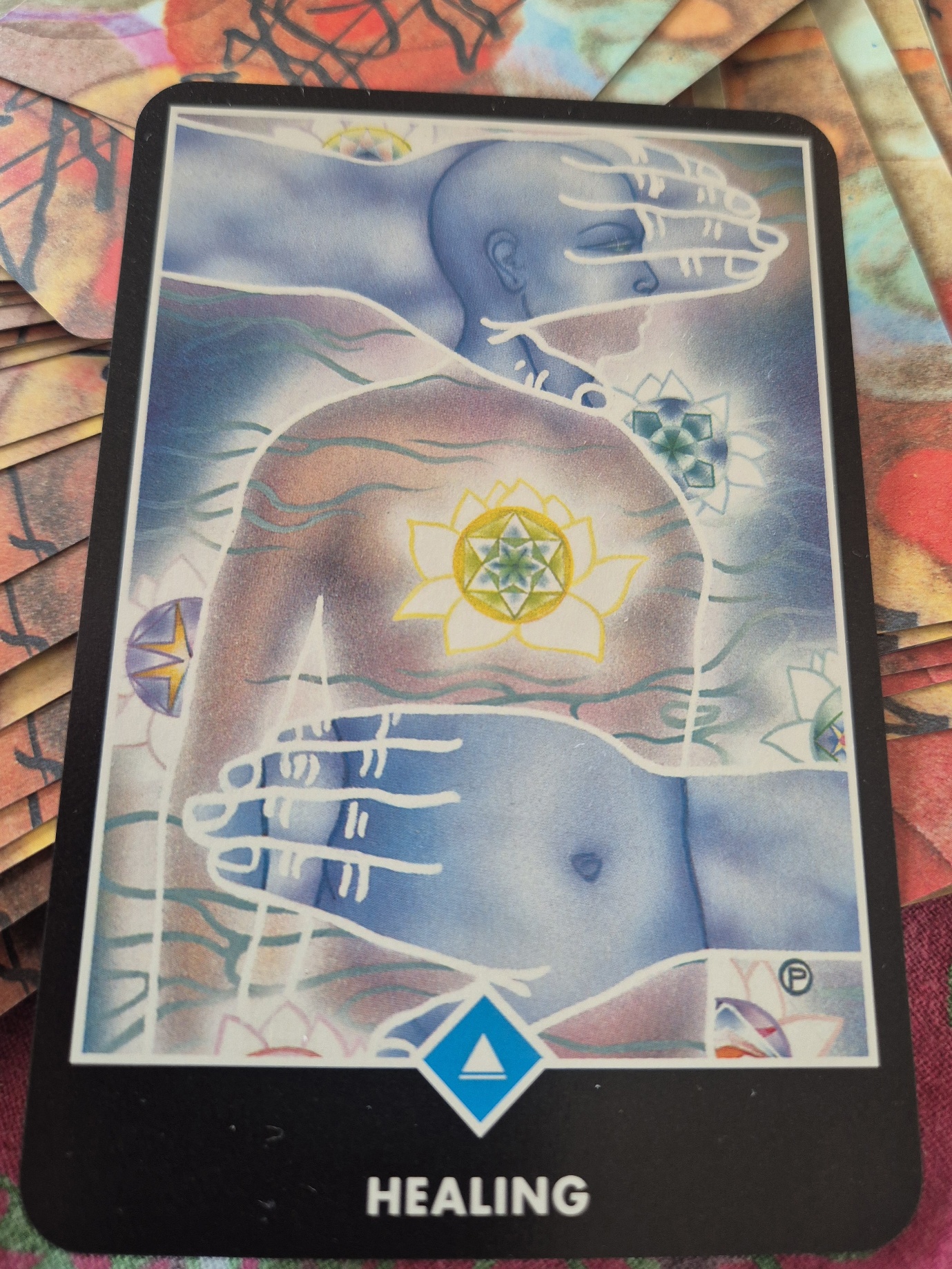
When we finally face, transcend, and relinquish our grief, we may feel empty for a time. We find ourselves in that space between the pain of old and the joy of serenity and acceptance here and now. Once we start healing past wounds (trauma) and the body shifts out of the `fight, flight, freeze, or fawn´ mode, we may experience a dramatic fall in physical energy levels. Where busyness once reigned, we find we need rest and silence.
For the first time, – since infancy in some cases, – the body starts to feel safe in the peace and calm surroundings of our solitude. It is not a matter of laziness, apathy, or resignation, but rather the body’s natural recovery process from years of restlessness, irritability, and discontentedness, expressed in the typical chaos and turbulence of modern life.
The case of my salmon and sea trout friends comes to mind. When the time comes to spawn, these anadromous fish, return to the rivers of their birth after years in the salt waters of the ocean. On arrival at the estuary of the said river, they must tarry in the lower tidal pools for quite some time before they can progress upstream. Researchers have found that they require a period of acclimatization from the saline to the fresh water, without which their lives would be endangered. This period reminds me of the rest and silence phase of recovery described above.
It is important to bring awareness to this process. Otherwise, my saboteurs will constantly berate me for not feeling the anxiety which `should´ be there. This is the anxiety which ordinarily results from the prevailing cultural attitude that self worth is derived solely from the quantity and quality of the product of our `human doing’ rather than the manifestation of our `human being´.
The Zwischenzone can also show up in the realm of relationships. To prepare ourselves for the new, we need to first let go of the old. This can be frightening. We may feel empty and lost for a time. We may feel all alone, wondering what is wrong with us for letting go of the proverbial bird-in-hand, when there is nothing in the bush.
Being in transition can apply to many areas of life and recovery. We can be in between jobs, careers, homes, or goals. Our gut is sending signals which contradict what our heads would have us believe. We can be in between behaviours, as we let go of the old and are not certain what will replace it.
This can apply to behaviours that have protected and served us well all our life, such as care-taking and controlling, pleasing, or playing the victim. We now realise that they are no longer serving us. On the contrary, these are precisely the behaviours that hinder us from healing and growing to the next level of our potential. Inventory, discernment, and shedding (what is no longer fit for purpose); these and the process of clearing away the wreckage of the past are key elements in the recovery process.
We may have many feelings going on when we’re in transition: spurts of grief about what we have missed out on, let go of, or lost, and feelings of anxiety, fear, and apprehension about what’s ahead. These are normal feelings for the Zwischenzone. The only way forward is the way through. We need to learn to feel them, accept them, and ultimately release them. They will move on, just like the clouds in the sky. It is simply a matter of sitting with them with empathy, free of shame, fear, or judgement.
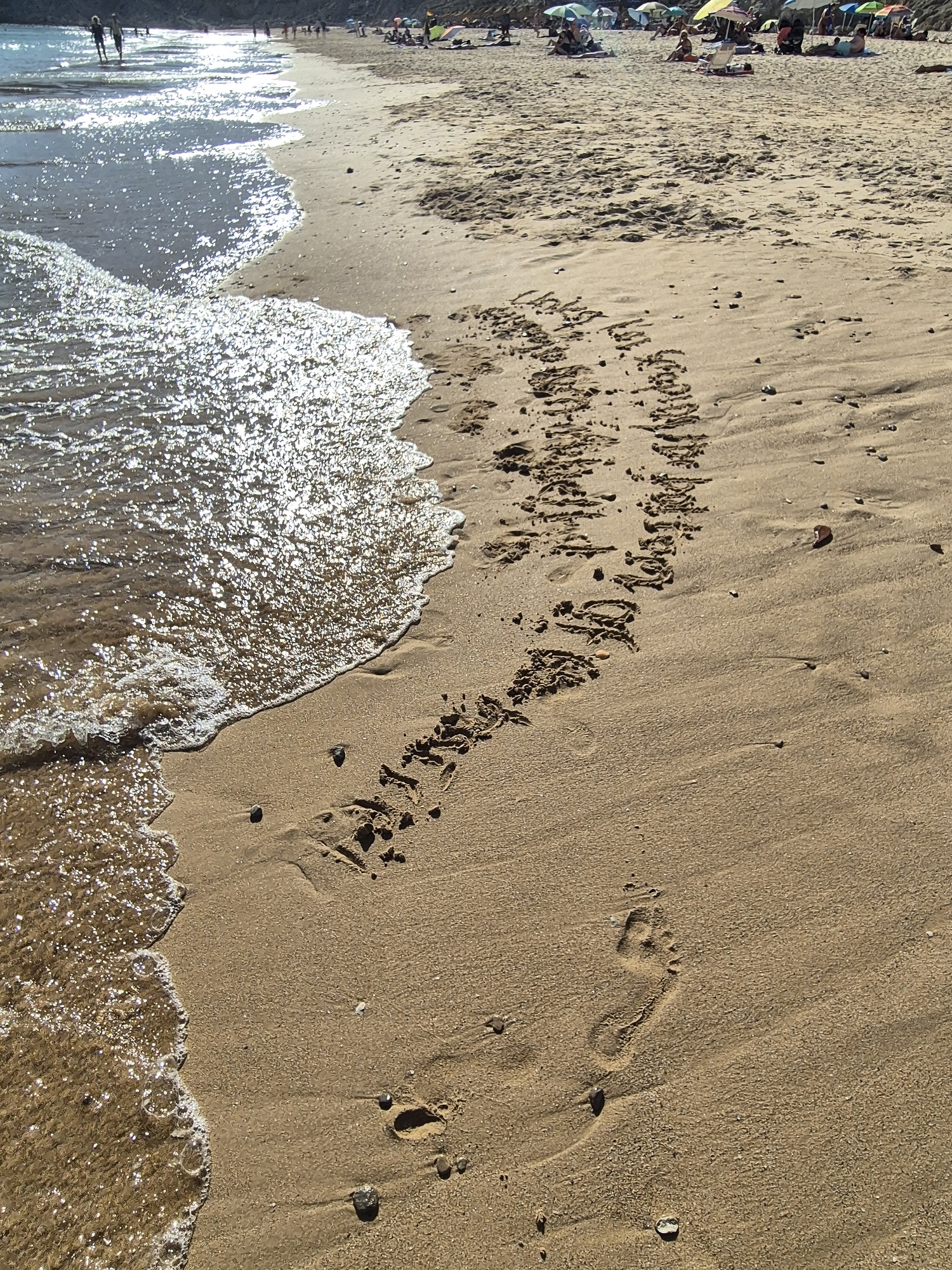
Being in transition isn’t usually fun, but it’s necessary. It will not last forever, but we may have no clue as to how long we will need to tarry there. It may feel like we’re standing still, but we’re not. We’re standing at the in-between place. It’s how we heal and grow. It is not the destination that counts. We are moving forward, even when we’re suspended in transition.
`The key is to learn to simply embrace and be with our underlying suffering, to navigate our early traumas and challenges´ as Russ Hudson, – a pioneer of applying the wisdom of the Enneagram to the addiction recovery process, – points out in his introduction to The Alchemy of the Enneagram in Transforming Addiction, by Michael Naylor.
He further states that: `Breaking the grip of an addiction is not merely the act of refraining from the addictive substance or behaviour. There is a process of understanding and healing the underlying emotional issues that drove the person toward addictive behaviours in the first place. Knowing how to be with one’s underlying suffering and later how to help others navigate their early traumas and challenges is no small feat…´
As I watched the shooting stars late last night, in awe and wonder, there was a special moment when a bright spark streaked across the firmament, from the apex until halfway to the western horizon. It then disappeared briefly, only to re-emerge after a second to then dart below the western horizon and out of sight.
Once I came out of my reverie, I was impressed by the lesson. It had been there all the time, only hidden for parts of its descent, for whatever reasons. So it is with life. While progression may not always be visible, growth and healing are always unfolding, if we keep our mind, heart, and soul open to them.
Where I am today is the ideal place for me to be. In the Zwischenzone, I will strive for the faith that this place is not without purpose, that it is moving me toward the fulfilment of my full potential.



One Response
Transition 🙏💫🌞🤍