
Trapped

As long as we are constantly hijacked by our Saboteurs, fear rules our lives and the lives of those around us. This takes place sometimes very obviously, sometimes more subtly. Fear’s toolbox contains a very powerful device that, if not addressed and relinquished, will ensure that the old order will forever rule the day. This device is denial. For many years I stewed in the juice of denial. Sara Bareilles describes the dynamic eloquently in her sublime song “Orpheus“:
Missing the world
The one you knew
The one where everything made sense because you
didn’t know the truth…..
Indeed, many of us didn’t know the truth for long stretches of our lives. Denial has an important role to play in our survival…
Mind The Gap!
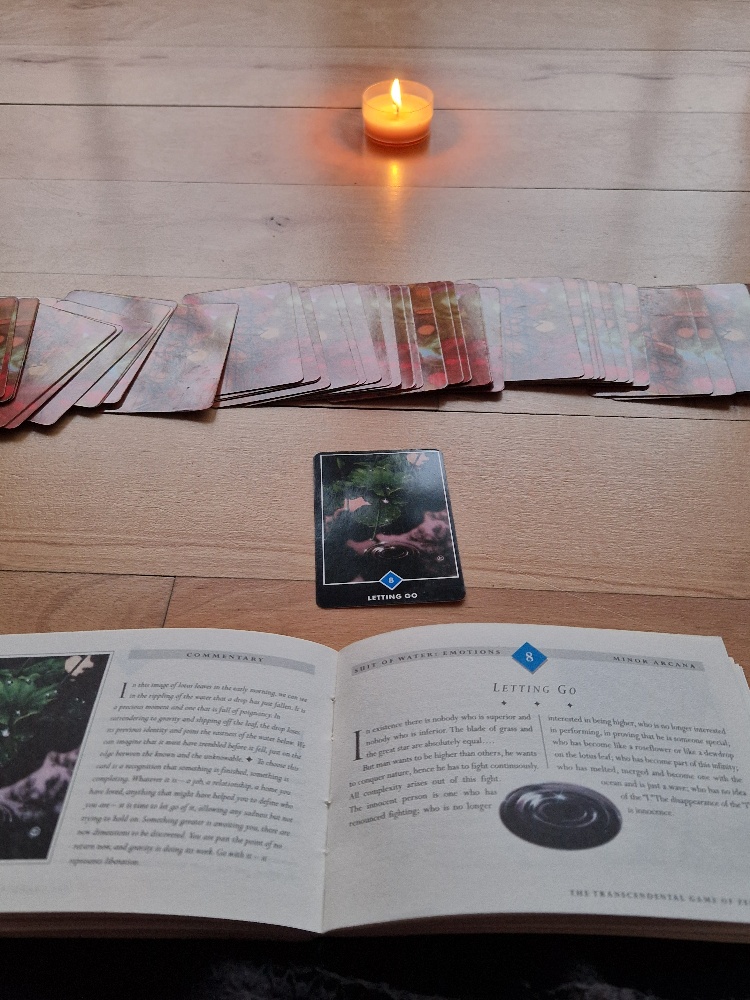
My general observations lead me to conclude that we are either in autopilot and react in line with the coping mechanisms and survival strategies we developed before our fourth birthday (approximately) or, having developed sufficient awareness, mindfulness, and mental fitness, we learn to pause before responding to whatever stimuli cross our paths in a conscious, loving manner – beneficial to the healing, growth, and joy of all concerned. The term “autopilot” may be considered charitable. Some would call it “sleepwalking through life” (Dr Allen Berger) or even refer to a “Zombie” existence. And of course, this is not an all-or-nothing phenomenon…
Balance

So, it was really telling when, in a recent yoga lesson, we went though balance exercises which included the Vrikshasana (The Tree Pose, where standing on one foot we bring the other to the inside of our upper thigh), that the terror of childhood – as a felt state – returned. My heart began to race; I began to sweat and couldn’t maintain my balance for longer that twenty seconds. Of even more interest was the fact that my breathing froze. Despite all the insights and, indeed, practice in so many other modalities and situations, here we had the default patterns re-asserting themselves immediately, and with a vengeance…
Dis-illusion
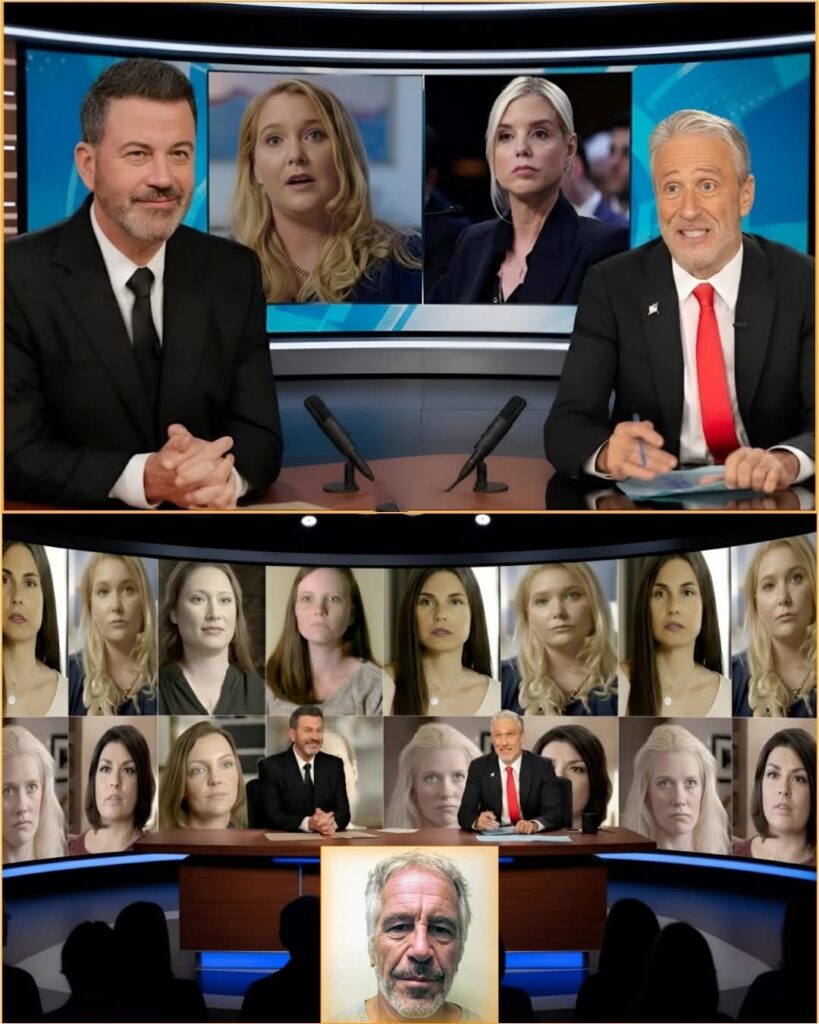
Then there is the case of Deepak Chopra whom I have admired as a spiritual teacher and a person who has not only achieved heightened states of awareness but has also been very effective in helping those who have embarked on a similar quest. What alarms me is the documented propinquity, familiarity, and absence of scruples between this powerful spiritual figure and a man (Epstein) whose crimes against children and young women were not only widely known but had already led to criminal prosecution. When someone claims moral authority, association itself becomes evidence of lack of discernment. When Chopra positioned himself as a global moral authority, and spoke endlessly about consciousness, healing, and enlightenment, while simultaneously maintaining close relationship and correspondence with one of the most documented child sex traffickers in modern history, no further “evidence” of his spiritual bankruptcy is needed.
Fate

After several failed attempts, one day, at last, Finnegas caught the Salmon of Knowledge. He brought it home and instructed Fionn to cook it, warning him not to taste even a single bite. As Fionn roasted the fish on a spit over the open fire, he noticed the scaly skin forming blisters. Of course, he wanted the fish not only to taste delicious but to be well presented, so he pressed his thumb on a blister to flatten it down. In doing so, he burned his thumb on the hot skin. Without thinking, he put his thumb into his mouth to sooth the pain. In that moment, all the wisdom of the salmon passed into him…
Be Plankton!
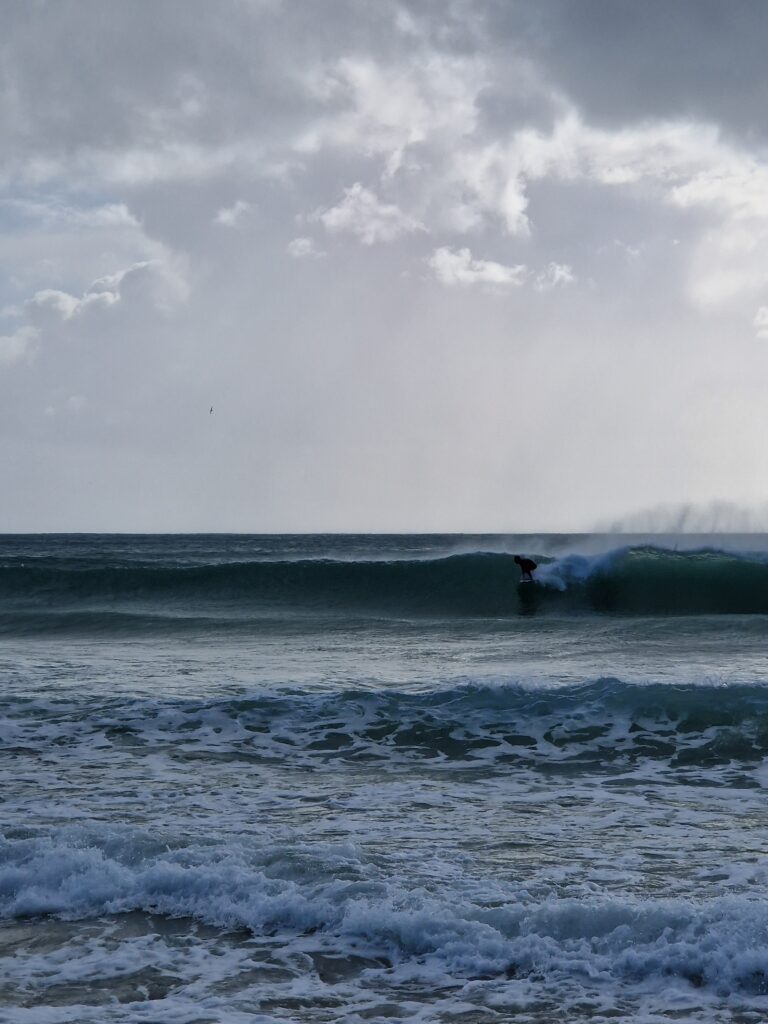
For traction, the journey now needs the lighting of a fuse. This fuse is called “faith”. Without faith we are doomed to repeating and continuing patterns of thoughts, emotions, and actions governed by fear. With a little bit of faith, we can begin doing new things and doing familiar things in new ways. When we experience some healing as a result of this, the faith evolves into “hope”. Hope is just what the hopeless addict needs for this journey of liberation. On exercising the hope for a while and learning to cultivate hope within ourselves, the hope evolves further, this time into “trust”. Now we can ship oars, in the trust that we have everything we need for a successful journey…
A Way Out
The substance addict is deeply ashamed and feels guilty about what he’s doing, and he cannot help himself. But he can’t stand the inner barrage of shaming and self-recrimination, so he projects his own anger at himself onto his spouse. He says: “If it weren’t for you, I wouldn’t drink! You’re the one who makes me drink.” And uses this kind of rationale so that eventually the spouse begins to feel “Maybe I am the reason. Maybe it is me! If only I could change and treat him differently, he wouldn’t drink.” In this manner, the spouse has become very neurotic and sick themselves and needs help…
Realignment
They’re the people who come out on top, and I used to be one, so there! And I like university professors. But you know we shouldn’t hold them up as the high watermark of all human achievement. They’re just a form of life. You know, another form of life. But they’re rather curious, and I say this out of affection for them, but something curious about professors in my experience, not all of them, but typically, they live in their heads. They live up there and slightly to one side. They’re disembodied, you know, in a kind of literal way. They look upon their body as a form of transport for their heads.”…
Two Wolves

I like to see the two wolves as representing reality and delusion within my own perception. Our sorrow, our fear, our shame, our loneliness, even our despair; these are fragile and have no more substance than a shadow. This is the reality. We create the delusion, ourselves, when we begin to focus on our sorrows and fears in a way that adds fuel to them. The more we complain about them, over-analyse them, identify with them, or push them away, the more “real” they appear, the more solid and independent of us they seem to be, the more power they have over our well-being.,,
On Purpose

The central argument Frankl makes is that life has meaning whatever the circumstances, even when profound suffering is encountered. The title itself is the core message: we can and must say “yes to life” not because of circumstances, but in spite of them. It is easy to say “yes to life” when everything is going well. If that “yes” is contingent on circumstances, however, it can never be sustained because, as we all know, circumstances change as much as the weather in my native Ireland. Everything, even our existence in this incarnation, is transient…
